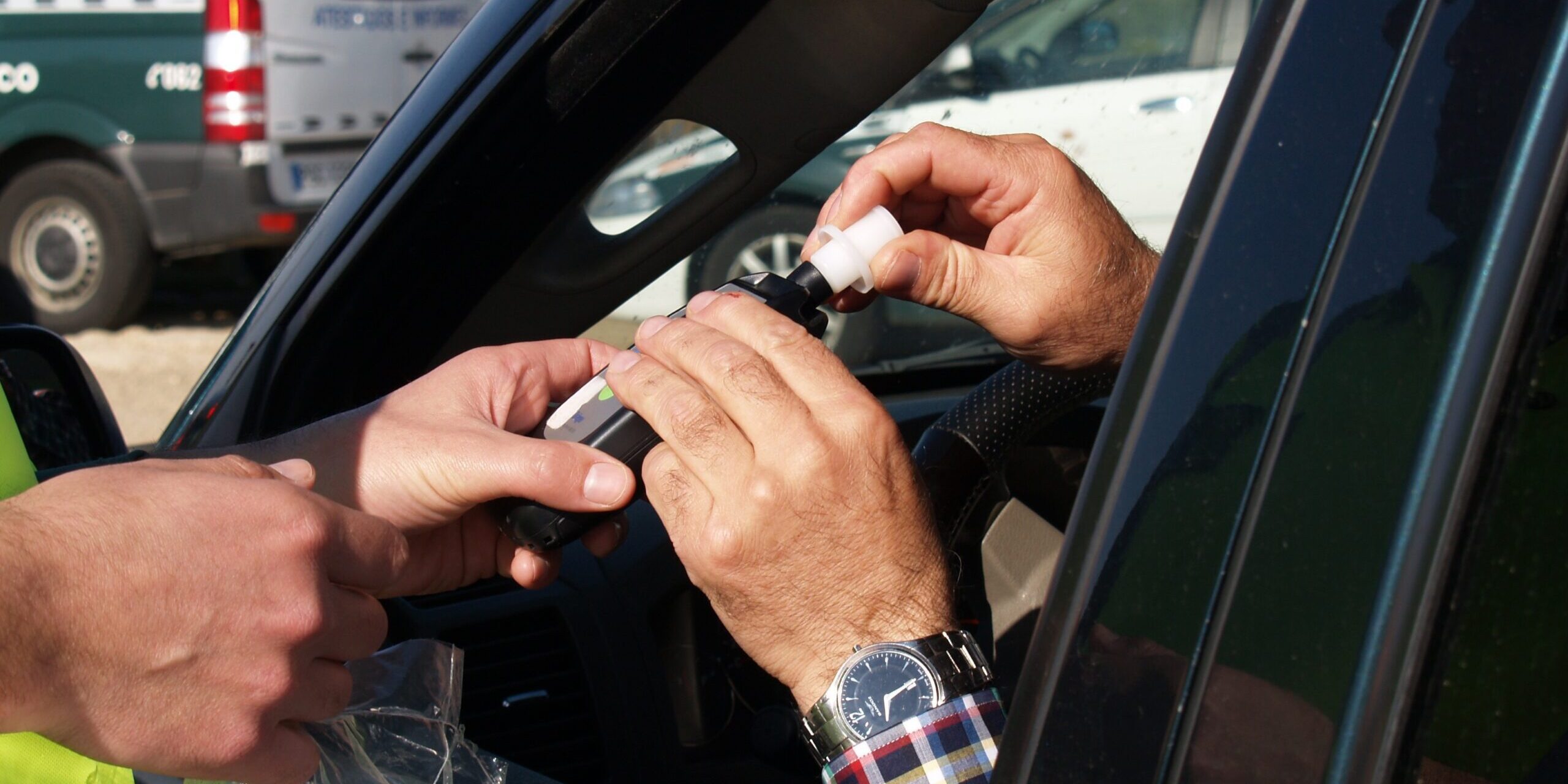

Senate Bill 620, which takes effect in 2027, increases the license suspension for refusing a breath alcohol test from six to nine months. The change targets a refusal rate of 68% — the second highest in the nation — compared to a national average of 24%.
The problem, law enforcement officials argued, was structural. Under the old law, the penalty for failing a breath test and the penalty for refusing one were identical — six months. That created a perverse incentive: refuse the test, avoid providing evidence, and often negotiate a better plea deal.
“This is going to make sure that we really address what I think has created an unsafe situation on our roads,” Ayotte said at the signing ceremony. “And we hope most of all that they don’t drive on our roads intoxicated.”
The path to passage wasn’t easy. A similar bill was killed in 2024 when a coalition of libertarian House members and Democrats united to defeat it, arguing the change infringed on bodily autonomy.
This year, Sen. Bill Gannon, the Sandown Republican who sponsored the legislation, made a point of working across the aisle. He credited House Minority Leader Alexis Simpson and Portsmouth Rep. Buzz Scherr with delivering Democratic votes. “We needed their votes this year, so we didn’t take them for granted, which I have in the past,” Gannon said. “And it was a mistake on my part.”
Parents of drunk driving victims were among the bill’s most passionate advocates. Beth Shaw of Bow lost her 20-year-old son Tyler eight years ago to a repeat offender. “Tyler deserved the privilege of building a life he dreamt of and so much more,” she said. “While nothing can bring Tyler back, I honor him by dedicating myself to preventing other families from enduring the pain my family lives with every single day.”
(RELATED: New Hampshire Bill Lets Cities Require Proof of Residency Before Handing Out Welfare)