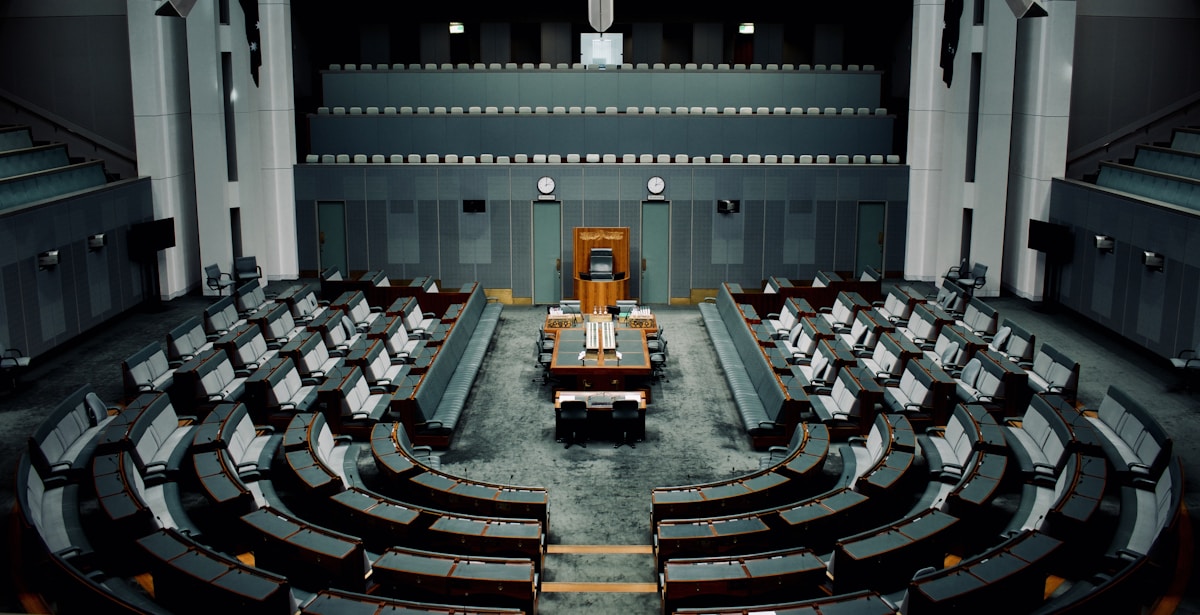

The New Hampshire General Court officially convened its 2026 legislative session this week at the historic State House in Concord, with lawmakers facing an extraordinarily crowded and consequential agenda that includes contentious debates over education funding reform, housing policy, energy regulation, healthcare access, and the critically important biennial state budget. With more than 900 individual bills filed for consideration by the filing deadline, this session promises to be one of the most active and substantive in recent memory, testing the ability of the state’s unique citizen legislature to address complex policy challenges within its traditionally compressed timeline.
Speaker of the House Sherman Packard opened the session with a formal address outlining leadership priorities that include meaningful property tax relief for overburdened homeowners, strategic workforce development investments, and maintaining New Hampshire’s competitive economic position relative to neighboring states and national competitors. He emphasized the importance of genuine bipartisan cooperation in addressing the many issues that affect Granite State residents across the political spectrum, while candidly acknowledging that significant philosophical differences between and within the parties remain on several major policy questions.
Education funding reform stands as perhaps the most consequential and politically charged issue facing lawmakers this session, carrying implications that will affect communities for decades to come. A landmark court ruling last year found that the state’s current funding formula fails to meet its constitutional obligation to provide every child with an adequate education, putting intense legal and moral pressure on legislators to develop a comprehensive solution that satisfies judicial requirements while remaining fiscally sustainable and politically viable. Multiple competing proposals have been filed, ranging from relatively modest adjustments to the existing formula to sweeping comprehensive overhauls that would fundamentally change how public education is financed throughout the state.
Housing affordability has emerged as another top-tier priority for both parties, with leaders on both sides of the aisle acknowledging publicly that the state’s severe and worsening housing shortage poses a genuine threat to continued economic growth and quality of life for residents of all income levels. Several ambitious bills propose meaningful reforms to local zoning regulations that currently restrict multifamily housing construction, accessory dwelling units, and higher-density development in many communities, though these measures face predictable resistance from municipal officials and homeowners concerned about maintaining local control over land use decisions and preserving community character.
Energy policy is expected to generate particularly heated and closely watched debate throughout the session, with proposals ranging from expanded renewable energy mandates and incentives to fundamental restructuring of the state’s deregulated electricity market. The persistently rising cost of electricity in New Hampshire, which pays among the highest rates in the entire nation, has created genuine urgency around finding workable solutions that thoughtfully balance the competing goals of affordability for ratepayers, system reliability, and progress toward environmental and clean energy objectives. Utility companies, renewable energy advocates, industrial consumers, and residential customer groups are all actively and aggressively lobbying lawmakers to support their preferred policy approaches.
The biennial state budget process, which occurs every two years under New Hampshire’s fiscal calendar, will inevitably consume significant legislative time and attention throughout the session. With revenue projections showing only modest growth amid economic uncertainty but rapidly increasing demands for state services in critical areas including Medicaid, mental health treatment, substance abuse programs, and infrastructure maintenance, lawmakers face genuinely difficult decisions about spending priorities and the potential need for new or increased revenue sources, a politically explosive topic in a state that proudly maintains no broad-based income tax or general sales tax.
Criminal justice reform proposals have also attracted significant bipartisan attention and public interest, with multiple bills addressing bail reform, sentencing guidelines for drug offenses, and expanded alternatives to incarceration for nonviolent offenders. Advocates from across the political spectrum argue that evidence-based and data-driven approaches to criminal justice can improve public safety outcomes while reducing the enormous costs associated with high incarceration rates, while some law enforcement organizations and victims’ rights groups have expressed carefully articulated concerns about specific provisions they believe could compromise community safety or fail to hold offenders appropriately accountable.
The legislative session is expected to run through approximately late June, with committee hearings on priority legislation beginning immediately this week across dozens of standing and special committees. Residents are strongly encouraged to participate in the democratic process by attending public hearings at the State House, contacting their elected representatives to share their views on pending legislation, and monitoring legislative activity through the General Court’s comprehensive website, which provides real-time tracking of bill status, hearing schedules, and committee actions. New Hampshire’s citizen legislature remains one of the largest and most accessible legislative bodies in the nation, with 424 House representatives and 24 senators serving a state of approximately 1.4 million people, ensuring an unusually close connection between constituents and their elected officials.