
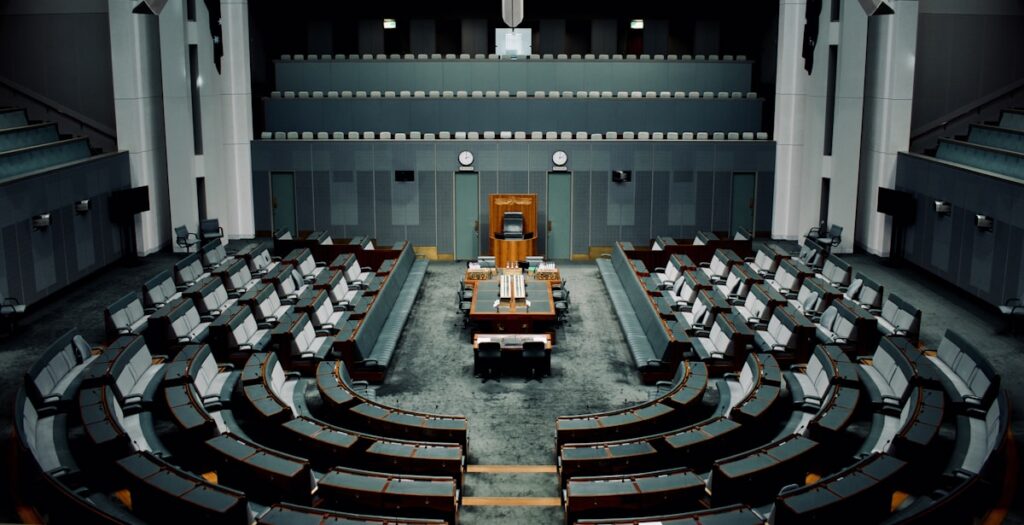
A sweeping infrastructure investment bill currently making its way through both chambers of Congress could deliver more than $2.8 billion in federal funding to New Hampshire over the next decade, addressing critical and long-deferred needs in transportation, broadband connectivity, municipal water systems, and clean energy infrastructure across the Granite State. The legislation has drawn intense bipartisan attention from the state’s congressional delegation, business leaders, municipal officials, and community organizations who collectively see the potential for truly transformative investment in the state’s aging infrastructure.
The proposed legislation, formally known as the American Infrastructure Modernization Act, would allocate approximately $1.2 trillion in new federal spending over a ten-year period, with funds distributed to states through a combination of population-based formula grants and competitive application processes that reward innovative and cost-effective project proposals. For New Hampshire, the most significant and impactful provisions include substantial dedicated funding streams for bridge rehabilitation, rural and underserved broadband deployment, and urgently needed upgrades to aging drinking water and wastewater treatment systems throughout the state.
Senator Maggie Hassan, who serves as a key advocate for the bill on the Senate Commerce Committee, highlighted New Hampshire’s pressing infrastructure needs during an influential committee hearing, presenting detailed data showing that the state has more than 200 bridges classified as structurally deficient by federal standards and thousands of miles of state and local roads in need of significant repair or complete reconstruction. She argued persuasively that substantial federal investment is essential for a state with limited municipal bonding capacity and a unique tax structure that inherently constrains state-level infrastructure spending.
The broadband provisions of the bill are particularly significant and potentially transformative for New Hampshire, where an estimated 50,000 households and businesses currently lack access to reliable high-speed internet service meeting modern minimum standards. The legislation would establish a dedicated federal fund for rural broadband deployment, with strong priority given to areas where private telecommunications providers have been unable or economically unwilling to invest in network expansion and last-mile infrastructure. State broadband officials estimate that the funding could effectively close the persistent digital divide in New Hampshire within approximately five years of program implementation.
New Hampshire’s business community has rallied enthusiastically behind the legislation, with the Business and Industry Association of New Hampshire organizing a broad coalition of more than 100 employers from diverse sectors urging the state’s entire congressional delegation to actively support the bill’s passage. Coalition members argue with conviction that modern and reliable infrastructure is absolutely essential for maintaining economic competitiveness, noting that inadequate broadband access in rural areas and deteriorating transportation networks in growing regions are significant barriers to business growth, workforce recruitment, and the state’s ability to attract new employers.
Municipal leaders across every region of the state have identified specific critical projects that could be funded under the legislation if it passes into law. Concord Mayor Byron Champlin pointed to the capital city’s aging water treatment plant as a critical public health and environmental need that has been deferred for too long, while officials in smaller communities throughout the North Country and Connecticut River Valley highlighted road and bridge projects that have been postponed for years or even decades due to persistent local funding constraints and competing budget priorities.
However, the bill faces significant and vocal opposition from fiscal conservatives in both chambers who argue that the proposed spending level is fiscally unsustainable and could contribute to inflation and increased federal debt burdens for future generations. Representative Chris Pappas acknowledged the legitimate fiscal concerns but maintained that the long-term economic benefits of strategic infrastructure investment far outweigh the upfront costs, citing peer-reviewed economic studies showing that every dollar invested in infrastructure generates approximately $3.70 in broader economic activity over the useful life of the asset.
Congressional leaders have indicated that a final vote on the comprehensive legislation is expected before the end of the current session, with intensive negotiations ongoing between House and Senate conferees to address remaining disagreements over total funding levels, state allocation formulas, eligible project categories, and implementation timelines. New Hampshire residents and stakeholders interested in closely following the bill’s progress and weighing in with their representatives can contact their congressional offices directly or visit the state’s congressional delegation websites for detailed updates on the legislation’s status and its specific implications for communities across the Granite State.