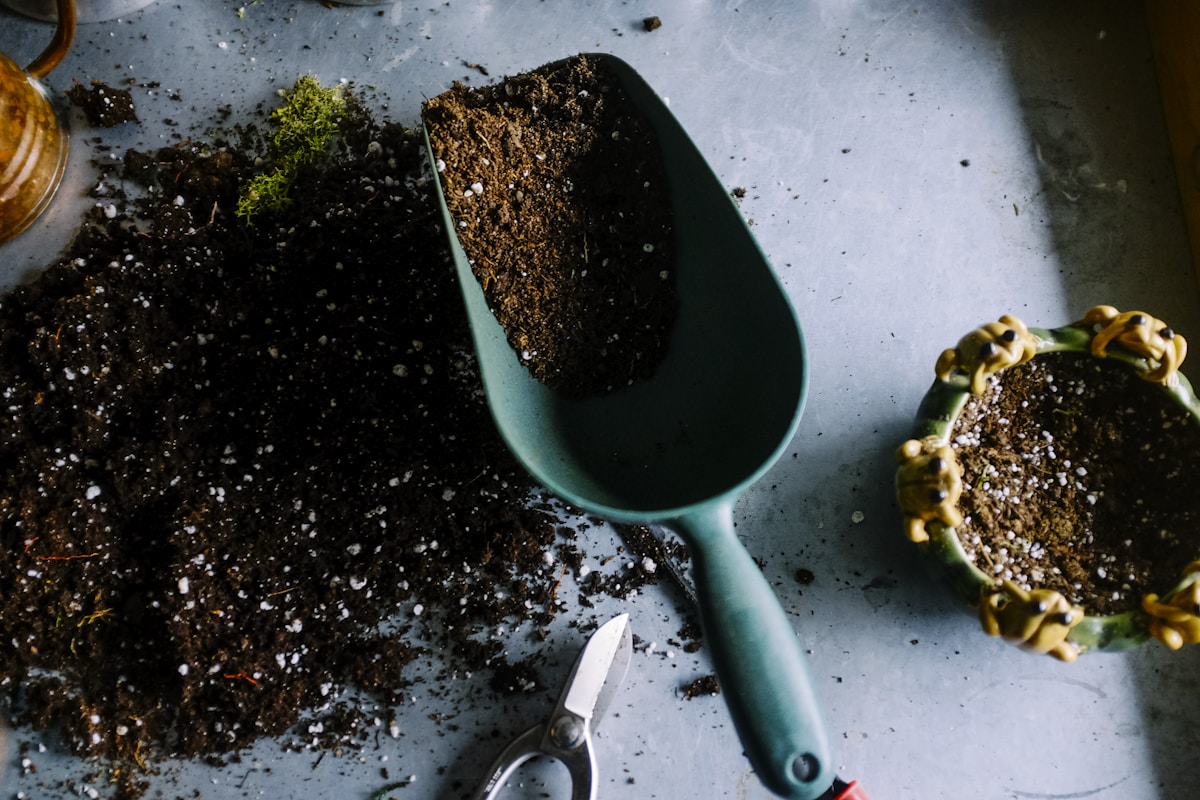

What was once an overgrown, trash-strewn vacant lot on Manchester’s diverse and vibrant West Side has been beautifully transformed into a flourishing community garden, thanks to the tireless efforts of a dedicated group of neighborhood volunteers who saw tremendous potential where others saw only urban blight and neglect. The West Side Community Garden, which completed its first full and remarkably productive growing season this past fall, has become far more than simply a place to grow fresh vegetables and herbs. It has emerged as a vibrant and beloved community gathering space that is helping to meaningfully revitalize one of the city’s most culturally diverse neighborhoods.
The ambitious project began in early 2025 when Maria Santos, a lifelong West Side resident and recently retired elementary schoolteacher with deep roots in the neighborhood, organized an informal community meeting to discuss practical ways to improve the block where the abandoned lot had attracted persistent illegal dumping and become an unsightly and dispiriting eyesore for surrounding homes, businesses, and the families who walked past it every day. What started as a conversation among a dozen neighbors quickly grew into a movement that attracted more than 80 volunteers, secured donations of materials and expertise, and transformed a community liability into a thriving asset.
The completed garden features 45 raised beds available free of charge to neighborhood residents on a seasonal basis, a communal herb garden growing dozens of culinary and medicinal varieties, a small orchard of carefully selected fruit trees chosen specifically for hardiness in New Hampshire’s challenging climate, and a central gathering area with benches and a small covered pavilion for community events. The design incorporates accessibility features including wheelchair-accessible raised beds and smooth pathways, ensuring that residents of all abilities can participate.
One of the garden’s most celebrated and distinctive elements is its extraordinary cultural diversity, reflecting the West Side neighborhood’s unique status as home to significant immigrant and refugee communities representing dozens of countries and cultural traditions. Gardeners from more than a dozen different nations of origin grow traditional crops from their homelands alongside classic New England staples, creating a rich and informal cultural exchange that has fostered warm relationships across linguistic, generational, and cultural boundaries that might otherwise have remained uncrossed. Bhutanese refugee families grow prized mustard greens and fiery hot peppers in raised beds directly alongside plots of heirloom tomatoes and butternut squash tended lovingly by multigenerational New Hampshire families.
The practical impact of the garden on neighborhood food security has been significant and measurable. During the 2025 growing season, participants collectively harvested an estimated 2,400 pounds of fresh, organically grown produce, a substantial and meaningful contribution to household nutrition in a neighborhood where convenient and affordable access to fresh fruits and vegetables has historically been limited by the absence of a full-service grocery store within comfortable walking distance. Generous quantities of excess produce were regularly donated throughout the season to the nearby Manchester Community Kitchen, extending the garden’s nutritional benefits to an even broader population of food-insecure residents beyond the gardeners themselves.
Financial support for the project has come from a diverse variety of sources including a community development block grant from the city of Manchester, direct donations from local businesses and civic organizations, an enthusiastic crowdfunding campaign that raised more than $12,000 from individual donors across the state, and generous in-kind contributions of topsoil, lumber, tools, seeds, and professional landscaping services from area suppliers. The garden operates under the fiscal sponsorship of the Manchester Community Resource Center, which provides essential administrative support, financial management, and liability insurance coverage for the volunteer-run organization.
The social and emotional benefits of the garden have proven equally valuable and perhaps even more transformative than the tangible food production. Participants report that the shared space has created lasting connections between neighbors who previously had little interaction, fostering community ownership and pride that extends beyond the garden’s boundaries. Youth programming, including a partnership with a local school’s science curriculum, introduces children to gardening and nutrition education while providing enriching after-school activities.
As the garden enters its exciting second year with a long waiting list of prospective gardeners, organizers are planning several meaningful expansions including a comprehensive composting program, additional raised beds to accommodate growing demand, seasonal extension through a small greenhouse generously donated by a local garden center, and winter programming featuring cooking classes and food preservation workshops. Santos, who continues to serve as the garden’s tireless volunteer coordinator, expressed deep gratitude for the community’s generous support and encouraged residents in other Manchester neighborhoods and communities throughout the state to consider starting similar projects. Information about the garden, including how to reserve a plot, volunteer your time and skills, or make a financial contribution, is available through the Manchester Community Resource Center’s website and social media channels.